Barderas Familia
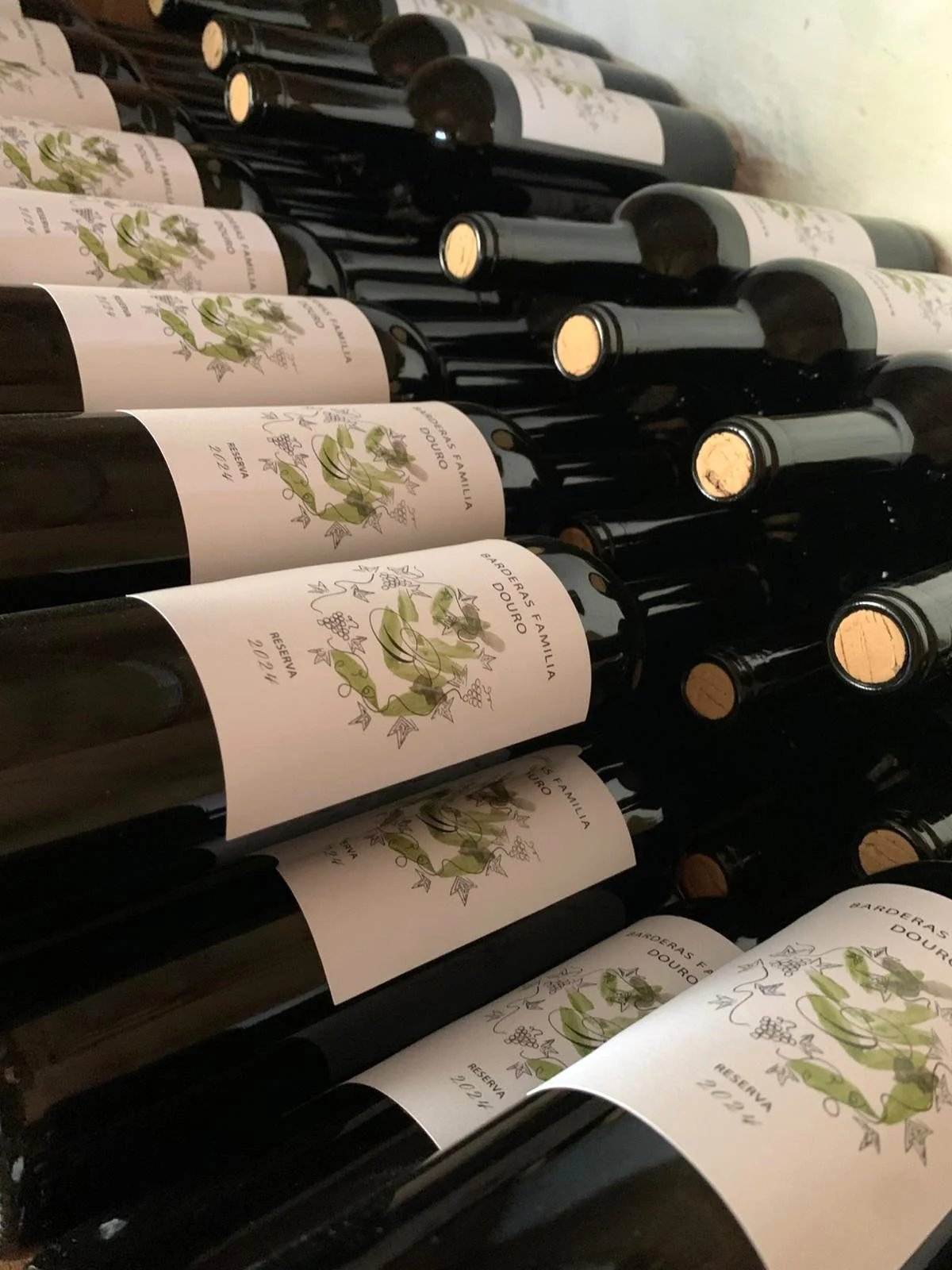
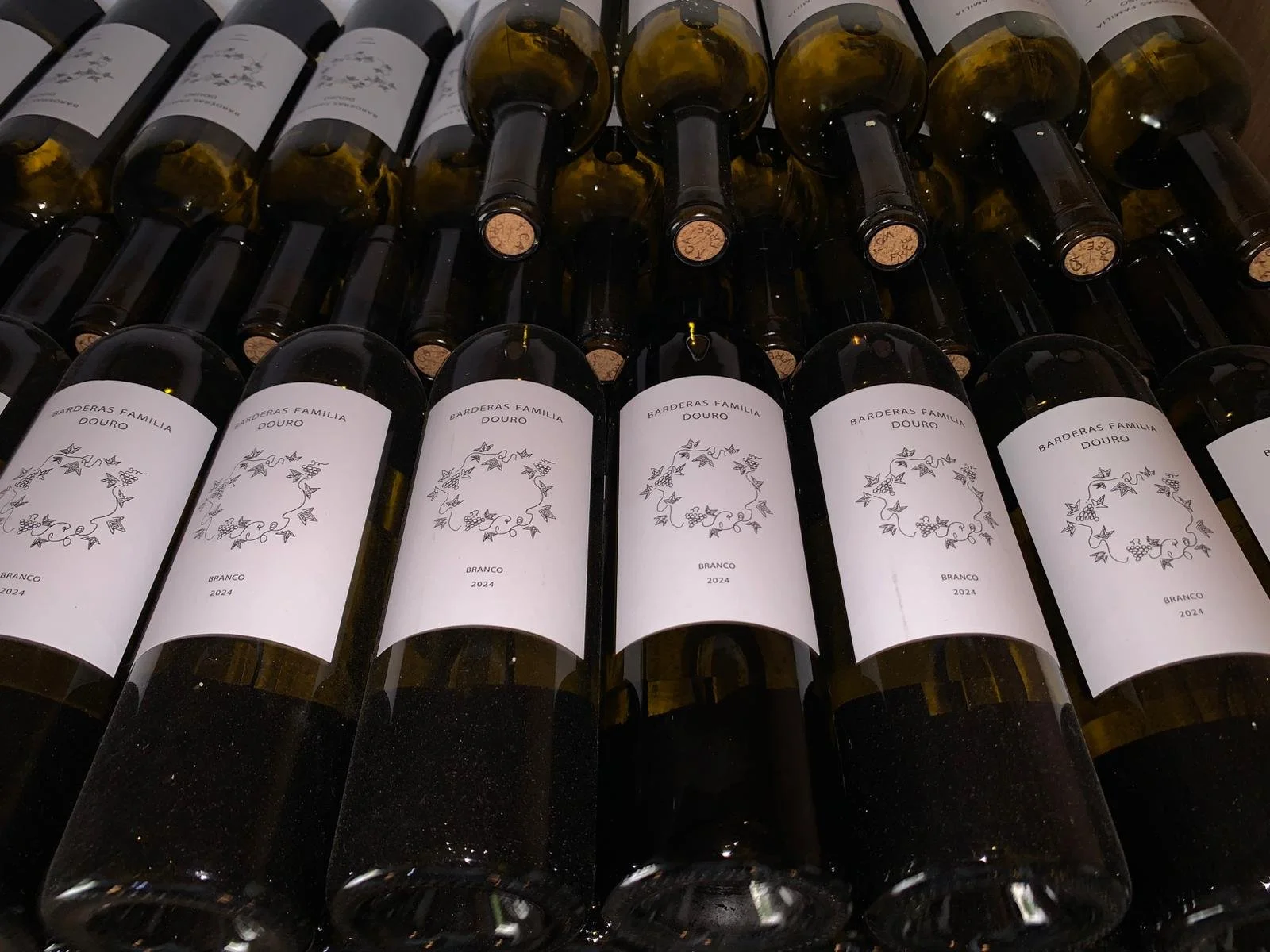
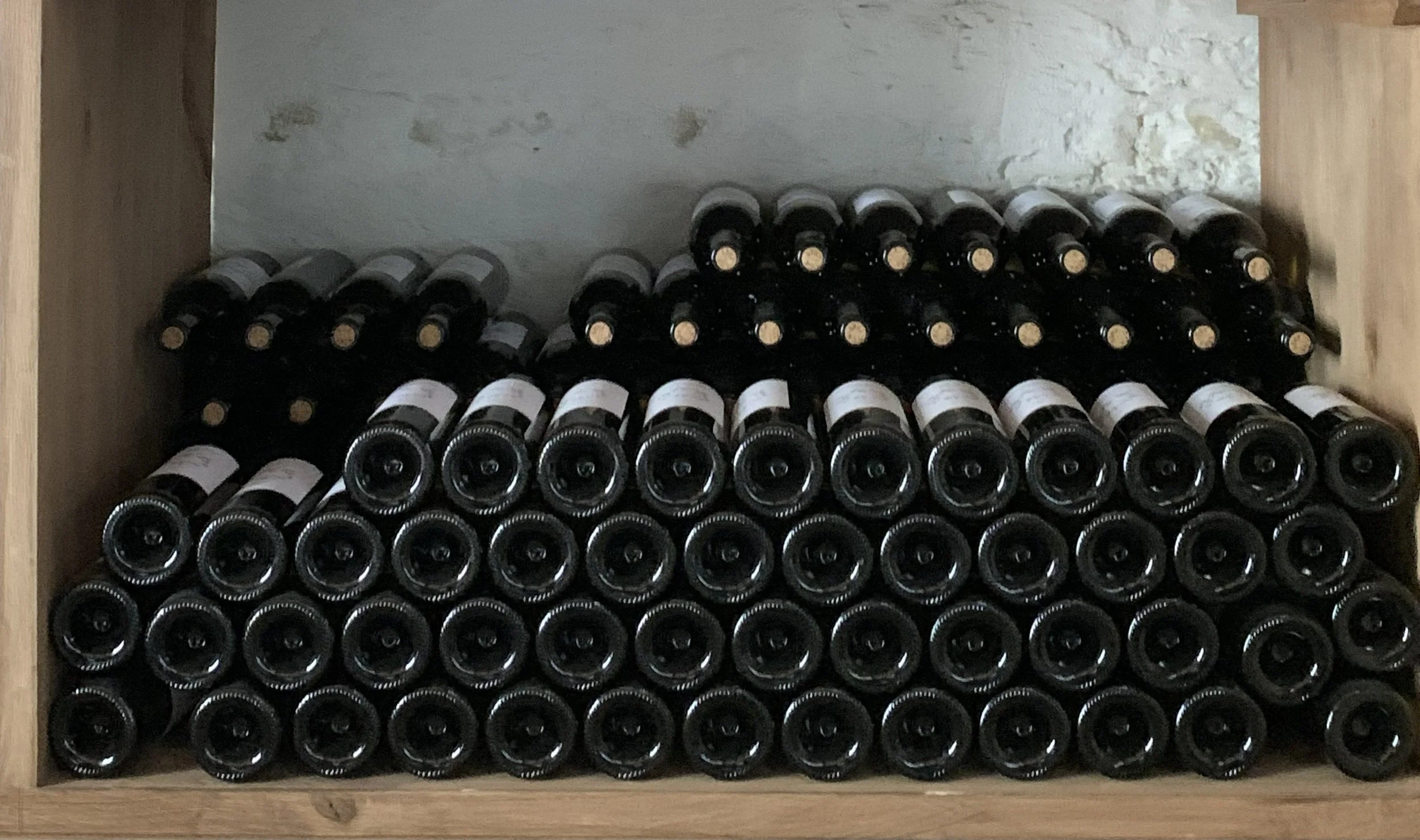
Our wines are released under the Barderas Familia label, in recognition of the female line of the estate's history - a deliberate counterweight to the more public civic lineage on the paternal side and a recognition that the estate has been shaped equally by both. The Barderas Familia name now sits on every bottle that leaves the quinta.
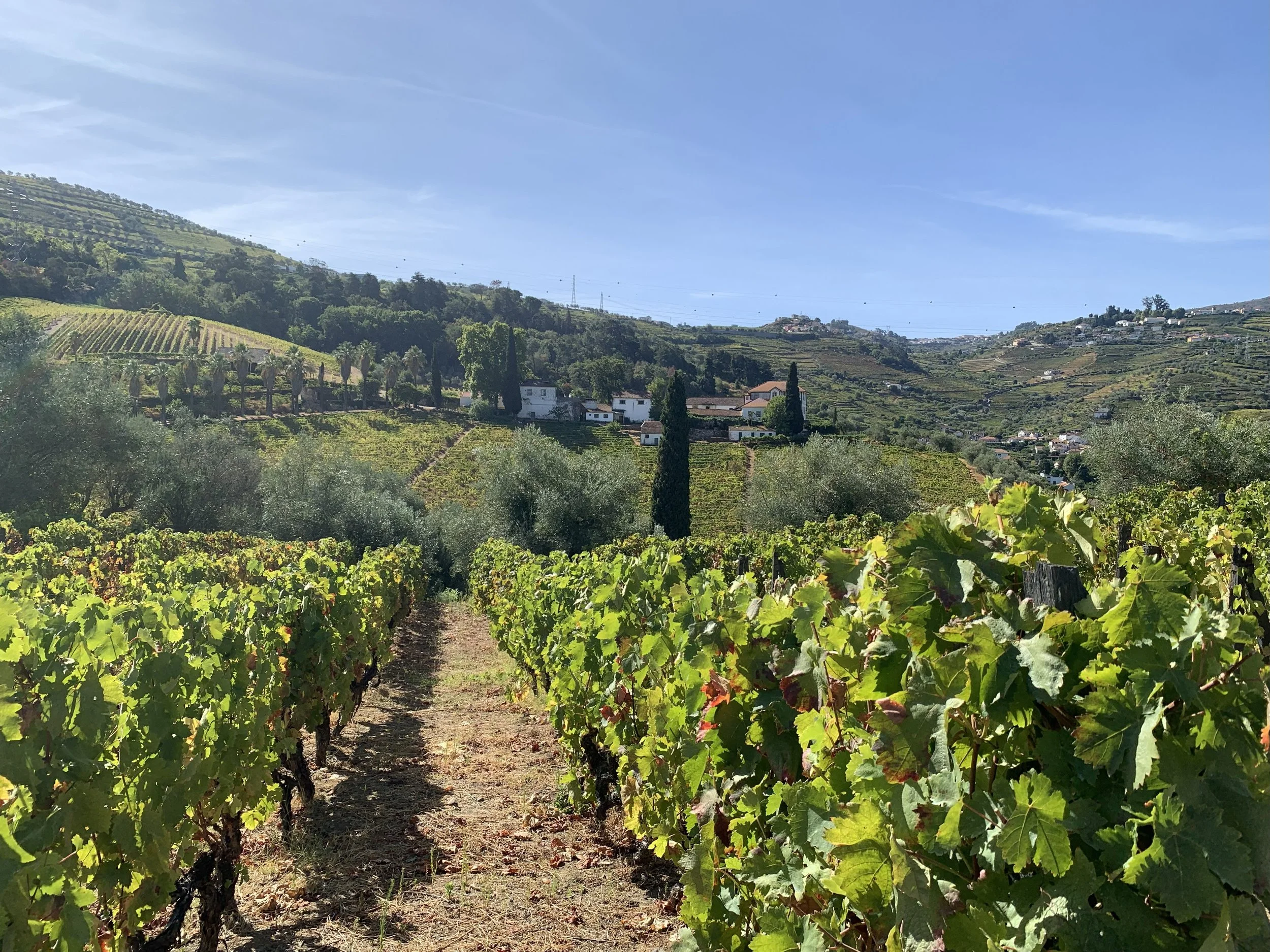
The grapes are grown on the estate, on the schist and gravel slopes that have defined Douro winemaking for centuries. The wines themselves are vinified in collaboration with selected Douro winemakers, working with the family to bring forward the character of the estate's vineyards in a way that reflects both tradition and the modern Douro.
The Region
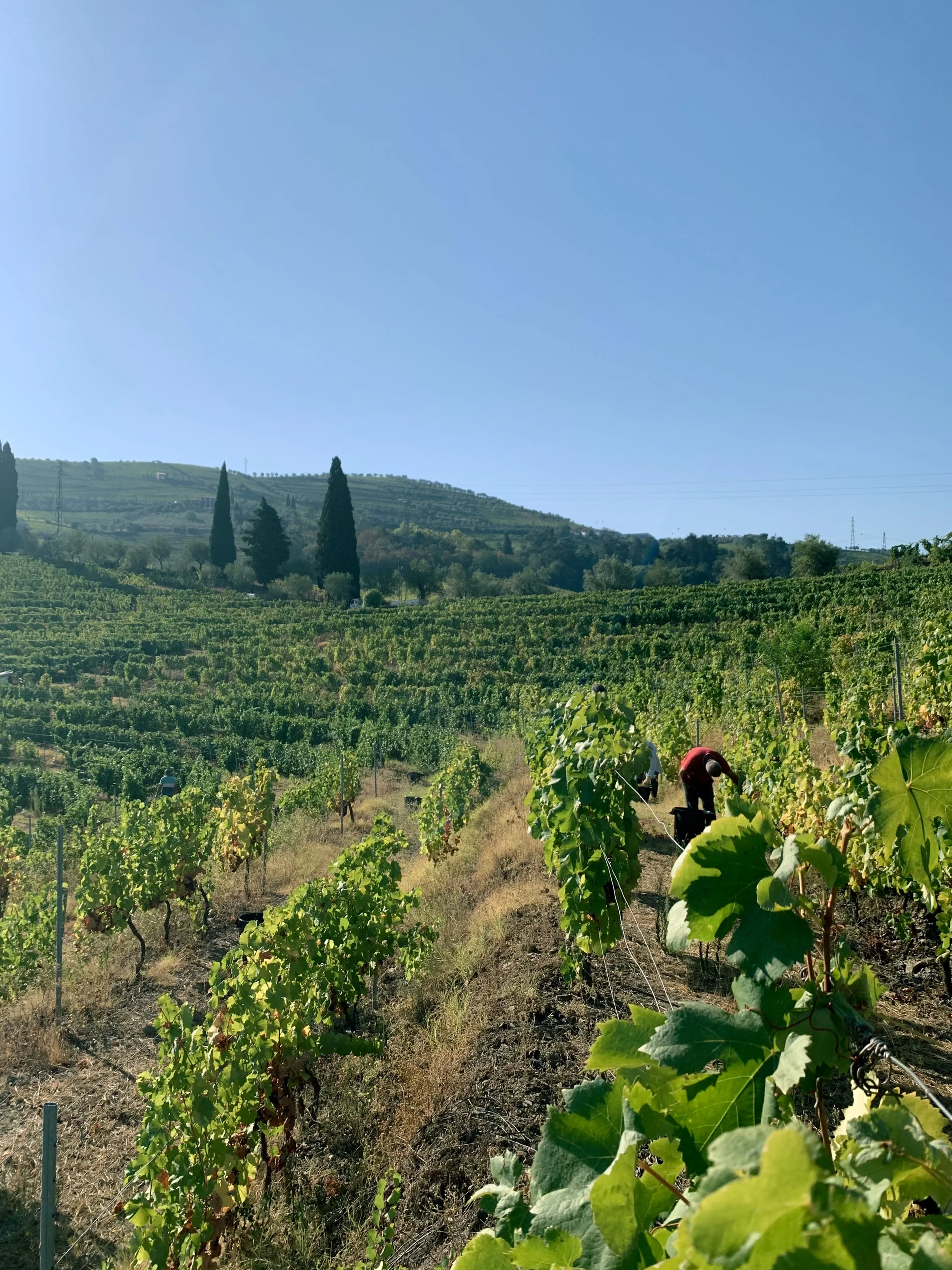
The Douro region's landscape features steep slopes and hard soils that are difficult to mechanically cultivate, requiring hard work in the slate and gravel based soil. The landscape both resists and endures through time as a result of the collective efforts of many generations, and has developed into an essential factor in the extraordinary quality of the wines that is reflected in their low yields. The irregular landscape has made the Douro region one of the most expensive and difficult to cultivate in the world.
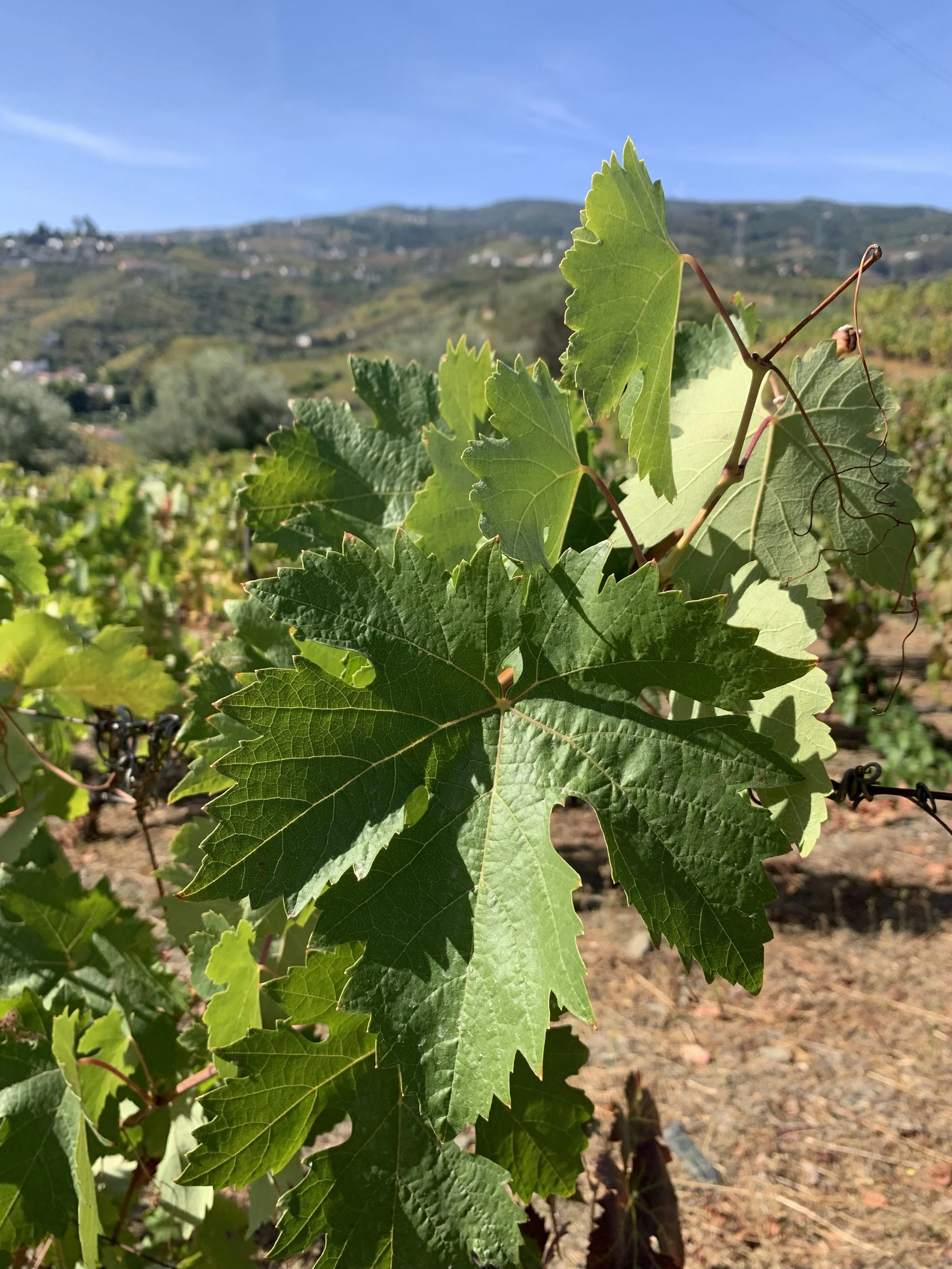
The estate works with the traditional Douro red varieties. The Quinta is fortunate to retain a parcel of old vines or Vieilles Vignes that yields a ‘field blend’ upon which the wines are structured and supplemented by other plantings; we work with:
Touriga Nacional - considered one of the world's finest grapes and a fundamental variety of the Douro, low-yielding and giving wines structure and dark-fruit character.
Tinta Cão - one of the great old traditional grapes of the Douro, and arguably the most aristocratic, giving both elegant wines and an ability to age beautifully.
Touriga Franca - another pillar of Douro blends, lighter and more aromatic, refining the structure of Touriga Nacional.
Tinta Barroca - less commonly bottled alone but a frequent contributor to blends, adding complexity at lower tannin levels.
Sousão - a grape that yields deep colour and high acidity, it retains bright, fresh acidity in regions facing warmer climates.
Alicante Bouschet - a French-derived grape often used in the Alentejo now becoming a premium varietal in its own right, known also for the fact that both its flesh and juice are red, not just the skin.
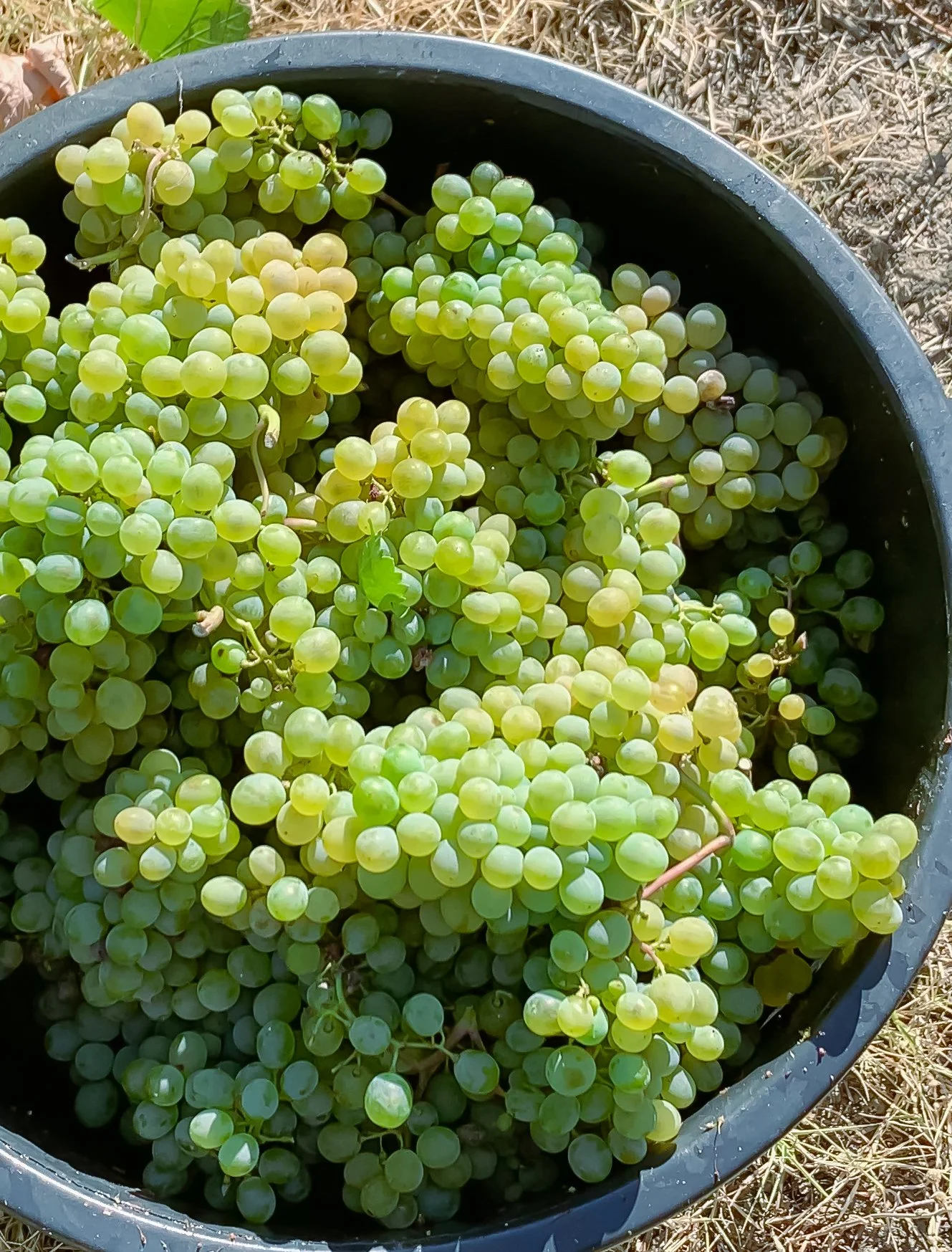
For the Barderas Familia white wines we work with partner growers which primarily include the following varieties:
Rabigato - one of the signature Douro whites, prized for high, fresh acidity and citrus/floral notes; it's the variety most associated with a crisp, mineral style.
Gouveio - a noble Douro white prized for fresh acidity and citrus/lime notes with a subtle hint of aniseed; it lends structure and body and ages gracefully.
Viosinho - aromatic, textured, capable of serious age-worthy wines; often the backbone of premium Douro whites.
Malvasia Fina - an old, widely-planted Douro white that is softer and more aromatic; historically important and also used in white Port.
Moscatel Galego Branco - the fine end of the Muscat family traditionally grown at the higher Douro altitudes suitable for both dry and sweet wines and notable for adding a perfumed and fresh character to the wines.
Port
The estate's Port wines reflect the Douro's classical style of Tawny Ports. These wines are aged in wood for varying periods, during which the young, fruity and fresh aromas of the new wine give way through gradual oxidation to a bouquet dominated by dried fruits, wood and spices; as they age they improve in smoothness and balance, their bouquet becomes more complex and their colour shifts toward gold. White Ports - less commonly seen outside the Douro - follow a parallel tradition and reward extended aging with similar developments of complexity and depth.
Viniculture
At Quinta do Fôjo, nestled in the rugged slopes of the Douro Valley, vinification is approached with a blend of tradition and purpose-driven craft. The grapes, grown on the family-estate vineyards, reflect the steep schist soils and intimate micro-climate of the region.
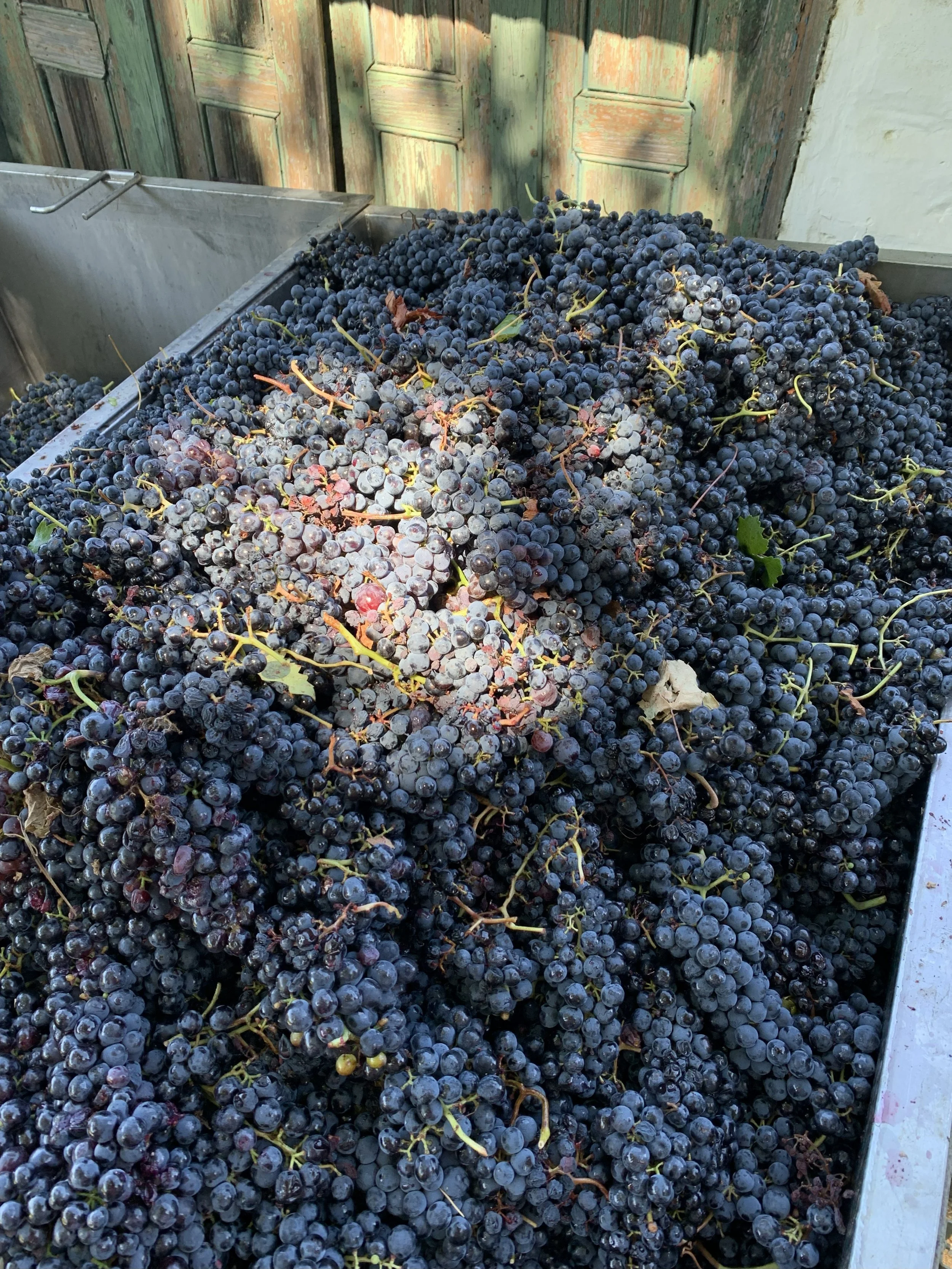
The estate collaborates with trusted local winemakers that share a guiding philosophy deeply rooted in expressing place and provenance. The fruit is hand-harvested and delivered promptly to the winery flats, where fermentation begins in stainless steel vats under temperature-controlled conditions. After primary fermentation the wines are transferred to French oak barrels, both new and aged, to mature, allowing the structure and tannin of the indigenous Douro varieties to harmonise with the notes of oak aging.
Throughout the process, minimal intervention is key respecting and preserving the natural aromatic lift of varieties such as Touriga Nacional and Tinta Roriz, while giving the wines time to develop stride and finesse. The result is a balanced and structured table wine that speaks clearly of the Douro terroir, driven by the vineyard’s identity.
A Living Landscape, Thoughtfully Farmed
Sustainability underpins our long-term approach to viticulture and wine quality employing what can be described as ‘integrated production’ that is guided by the aim of organic practice in the future. Our Quinta is on a considered journey, guided by respect for the land, the climate and generations of local knowledge. In our vineyards, we follow lower intervention practices, strengthen soil health and encourage biodiversity to build resilience in an increasingly warm and dry environment. Our approach reflects a broader environmental mindset - caring for the environment, supporting the people who work the land and stewarding this landscape responsibly for the long term. By combining traditional Douro knowledge with forward-looking farming, we aim to protect this unique place while crafting wines that express authenticity, origin and enduring quality.