The Wines
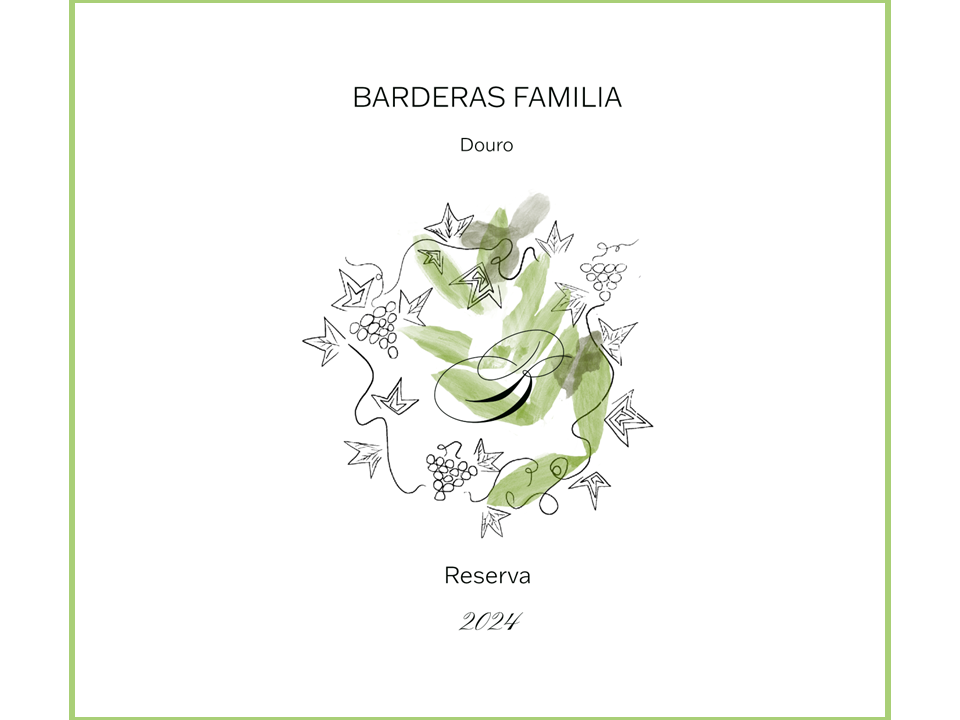
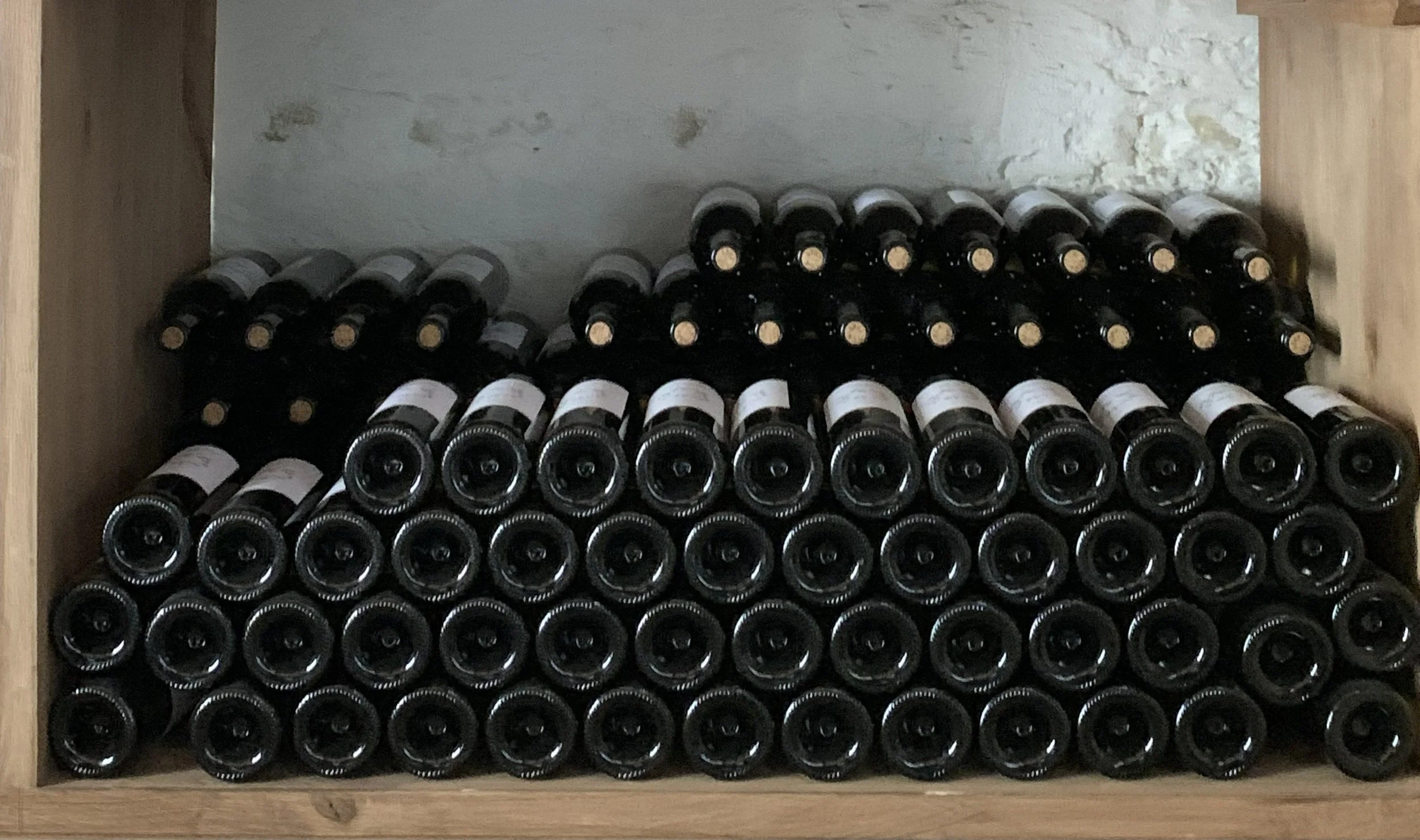
The wines made at Quinta do Fôjo are released under the Barderas Familia label, named in recognition of the maternal side of the family. The label honours the female line of the estate's history - a deliberate counterweight to the more public civic lineage on the paternal side and a recognition that the estate has been shaped equally by both. The Barderas Familia name now sits on every bottle that leaves the quinta.
The grapes are grown on the estate, on the schist and gravel slopes that have defined Douro winemaking for centuries. The wines themselves are vinified in collaboration with selected Douro winemakers, working with the family to bring forward the character of the estate's vineyards in a way that reflects both tradition and the modern Douro.
The Region
The Douro region's landscape features steep slopes and hard soils that are difficult to mechanically cultivate, requiring hard work in the slate and gravel based soil. The landscape both resists and endures through time as a result of the collective efforts of many generations, and has developed into an essential factor in the extraordinary quality of the wines that is reflected in their low yields. The irregular landscape has made the Douro region one of the most expensive and difficult to cultivate in the world.
The estate works principally with the traditional Douro grape varieties which can include:
Touriga Nacional, considered one of the world's finest grapes and a fundamental variety of the Douro, low-yielding and giving wines structure and dark-fruit character;
Touriga Franca, another pillar of Douro blends, lighter and more aromatic, refining the structure of Touriga Nacional;
Tinta Roriz, a more neutral variety known in Spain as Tempranillo, used both as a single varietal and in blends;
and Tinta Barroca, less commonly bottled alone but a frequent contributor to blends, adding complexity at lower tannin levels.
Port
The estate's Port wines reflect the Douro's classical style of Tawny Ports. These wines are aged in wood for varying periods, during which the young, fruity and fresh aromas of the new wine give way through gradual oxidation to a bouquet dominated by dried fruits, wood and spices; as they age they improve in smoothness and balance, their bouquet becomes more complex and their colour shifts toward gold. White Ports - less commonly seen outside the Douro - follow a parallel tradition and reward extended aging with similar developments of complexity and depth.